
Introduction
Traveling is one of the most rewarding experiences in life. Whether you are planning a weekend getaway, a business trip, or an international vacation, being well-prepared can make your journey smoother and far more enjoyable. Many travelers focus only on choosing their destination while overlooking the importance of packing the right travel essentials. Unfortunately, forgetting important items can lead to unnecessary stress, extra expenses, and unexpected inconveniences during your trip.
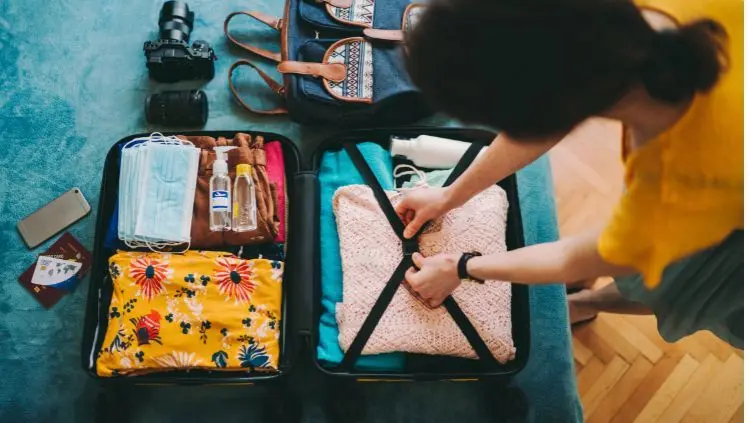
Travel essentials include everything you need to stay comfortable, organized, safe, and prepared while traveling. From travel documents and clothing to electronics, toiletries, and safety accessories, every item plays an important role in ensuring a hassle-free experience. Beginners often struggle with deciding what to pack and what to leave behind, resulting in either overpacking or forgetting critical necessities. Learning how to prepare properly saves time, reduces travel anxiety, and allows you to focus on enjoying your destination instead of solving avoidable problems. This comprehensive guide covers everything beginners need to know about travel essentials, including what they are, why they matter, how to create the perfect packing checklist, common mistakes to avoid, expert travel tips, frequently asked questions, and practical advice that will help you travel smarter every time.
What are Travel Essentials?
Travel essentials are the important items every traveler should carry before leaving home. These include personal identification, travel documents, clothing suitable for the destination, toiletries, medications, electronic devices, chargers, travel accessories, and emergency supplies. The exact list depends on the type of trip, destination, climate, and duration, but the goal remains the same—being prepared for any situation.
Packing travel essentials is not about carrying as many items as possible. Instead, it is about selecting practical, useful, and necessary belongings that improve comfort, convenience, and safety throughout the journey. A carefully planned packing list helps reduce stress, saves luggage space, and ensures you have everything required without carrying unnecessary weight.
Why are Travel Essentials Important?
Travel essentials play a vital role in making every journey comfortable and organized. Forgetting passports, medications, chargers, or appropriate clothing can quickly turn an exciting trip into a frustrating experience. Proper preparation minimizes unexpected problems and helps travelers enjoy their vacation with confidence.
Well-packed essentials also save money and time. Purchasing forgotten items at airports or tourist destinations often costs significantly more than buying them before departure. Additionally, having everything organized allows you to move through airports, hotels, and transportation systems efficiently without unnecessary delays or stress.
Step-by-Step Guide to Packing Travel Essentials
Step 1: Research Your Destination
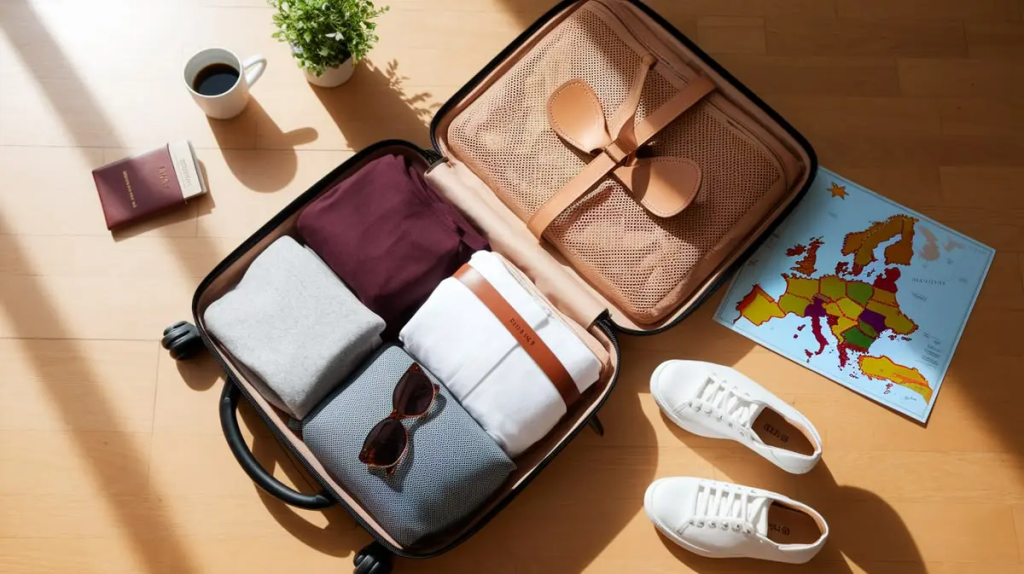
Start by learning about your destination before packing. Check the weather forecast, local customs, transportation options, and planned activities. A beach vacation requires different clothing than a mountain adventure or business conference.
Understanding local conditions helps you pack only what you need while avoiding unnecessary items.
Step 2: Prepare Your Travel Documents
Travel documents should always be your highest priority.
Carry:
- Passport
- Visa (if required)
- National ID
- Flight tickets
- Hotel reservations
- Travel insurance documents
- Emergency contacts
- Driver’s license
- Vaccination certificates if necessary
Store digital copies on your smartphone and cloud storage for additional security.
Step 3: Choose the Right Luggage
Select luggage based on the length of your trip.
For short trips:
- Carry-on suitcase
- Backpack
- Duffel bag
For longer vacations:
- Medium or large suitcase
- Daypack
- Packing cubes
Choose lightweight luggage with durable wheels and secure locks.
Step 4: Pack Suitable Clothing
Pack versatile clothing that can be mixed and matched.
Include:
- T-shirts
- Comfortable pants
- Shorts
- Underwear
- Socks
- Sleepwear
- Jacket
- Raincoat
- Comfortable shoes
- Sandals
- Hat
- Sunglasses
Pack clothing according to the weather rather than “just in case” items.
Step 5: Organize Toiletries
Pack travel-sized toiletries whenever possible.
Essentials include:
- Toothbrush
- Toothpaste
- Shampoo
- Conditioner
- Soap
- Face wash
- Moisturizer
- Sunscreen
- Deodorant
- Razor
- Hairbrush
- Lip balm
- Hand sanitizer
- Wet wipes
- Tissues
Keep liquids in leak-proof travel containers.
Step 6: Carry Essential Electronics
Today’s travelers rely heavily on technology.
Important electronics include:
- Smartphone
- Charger
- Power bank
- Universal travel adapter
- Earbuds
- Camera
- Laptop
- Tablet
- Charging cables
Keep chargers organized using cable organizers.
Step 7: Pack Medications
Never assume you’ll find your medications abroad.
Carry:
- Prescription medicines
- Pain relievers
- Allergy medicine
- Motion sickness tablets
- Bandages
- Antiseptic cream
- Thermometer
- First aid kit
Keep medications in their original packaging.
Step 8: Bring Travel Comfort Items
Comfort accessories make long journeys easier.
Examples include:
- Neck pillow
- Eye mask
- Earplugs
- Reusable water bottle
- Blanket
- Compression socks
- Snacks
- Reusable shopping bag
These small items significantly improve travel comfort.
Step 9: Secure Your Valuables
Protect important belongings using:
- Money belt
- RFID wallet
- Luggage locks
- Hidden passport pouch
- Tracking device
- Anti-theft backpack
Always keep valuables close during transit.
Step 10: Double-Check Your Packing List
Review your checklist one final time before leaving.
Confirm you have:
- Documents
- Wallet
- Phone
- Keys
- Medication
- Chargers
- Clothing
- Toiletries
A final inspection prevents last-minute surprises.
Benefits of Travel Essentials
Travel essentials offer numerous advantages that improve every journey.
- Reduce travel stress
- Prevent forgotten items
- Save money on emergency purchases
- Improve travel comfort
- Increase personal safety
- Keep luggage organized
- Save packing time
- Simplify airport security
- Help prepare for emergencies
- Improve travel confidence
- Protect important documents
- Reduce unnecessary baggage
- Enhance overall travel experience
Disadvantages and Risks
Although packing essentials is beneficial, poor planning can create problems.
- Overpacking increases luggage weight
- Excess baggage fees can become expensive
- Carrying unnecessary items wastes space
- Heavy luggage causes physical strain
- Poor organization makes finding items difficult
- Valuable items may attract thieves
- Liquids may leak if improperly packed
- Forgotten documents can delay travel
- Electronic devices may run out of battery without backup chargers
Proper planning eliminates most of these risks.
Common Mistakes to Avoid
One of the biggest mistakes beginners make is packing too many clothes. Most travelers wear only a portion of what they pack, while heavy luggage makes transportation much more difficult. Choose versatile clothing that works for multiple outfits instead of packing for every possible situation.
Another common mistake is ignoring important travel documents until the last minute. Always check passport validity, visa requirements, and travel insurance before departure. Forgetting chargers, medications, adapters, or emergency contact information can also create unnecessary stress during your journey. Creating a checklist several days before traveling greatly reduces the chances of forgetting important essentials.
Frequently Asked Questions
1. What are the most important travel essentials?
The most important travel essentials include your passport, identification, travel documents, wallet, phone, chargers, medications, comfortable clothing, toiletries, and emergency contacts. Without these items, traveling can become difficult and stressful.
2. How can I avoid overpacking?
Create a packing checklist based on your destination, weather, and trip duration. Choose clothing that can be mixed and matched, limit shoes to two or three pairs, and avoid packing unnecessary “just in case” items.
3. Should I carry cash while traveling?
Yes. Although cards are widely accepted, carrying a small amount of local currency is useful for transportation, small shops, tips, and emergencies where electronic payments may not be available.
4. How early should I start packing?
Begin preparing your packing list one week before departure and pack at least one or two days before your trip. This gives you enough time to purchase forgotten items without rushing.
5. What should be packed in a carry-on bag?
Carry your passport, wallet, phone, chargers, medications, travel documents, valuable electronics, a change of clothes, snacks, and essential toiletries in your carry-on luggage.
6. Are packing cubes worth using?
Yes. Packing cubes help organize clothing, maximize luggage space, separate clean and dirty clothes, and make it much easier to locate items without unpacking your entire suitcase.
Expert Tips & Bonus Points
Experienced travelers know that preparation makes every trip more enjoyable. Always weigh your luggage before leaving home to avoid excess baggage fees. Keep digital copies of important documents stored securely online in case originals are lost. Download offline maps, translation apps, and boarding passes before traveling to destinations with limited internet access.
Pack heavier items near the wheels of your suitcase for better balance and easier movement. Roll clothing instead of folding it to save space and reduce wrinkles. Leave a little extra room in your luggage for souvenirs or shopping during your trip. Carry a reusable water bottle to stay hydrated while reducing plastic waste. Finally, always keep emergency cash separate from your wallet so you have a backup if your primary payment method becomes unavailable.
Conclusion
Traveling becomes far more enjoyable when you are properly prepared. Packing the right travel essentials helps eliminate unnecessary stress, saves money, improves comfort, and allows you to focus on creating unforgettable memories instead of dealing with preventable problems. Whether you are traveling for business, leisure, or adventure, having a well-planned packing strategy ensures that every important item is ready when you need it.
For beginners, the key is not packing more but packing smarter. Research your destination, prepare a detailed checklist, organize your belongings efficiently, and prioritize the essentials that truly matter. As you gain more travel experience, you’ll discover which items are indispensable for your personal travel style and which can safely be left behind. Every successful trip begins long before you reach your destination it starts with thoughtful preparation. By following the tips, checklists, and expert advice in this guide, you can travel confidently, stay organized, and enjoy a smoother, safer, and more memorable journey wherever your adventures take you.