
Introduction
Designer fashion has become much more than a symbol of luxury and prestige. It represents creativity, craftsmanship, innovation, and personal expression. Whether you admire high-end runway collections or simply want to invest in quality clothing, understanding designer fashion helps you make smarter wardrobe decisions. Today’s fashion world offers countless designer brands, collections, and styles that appeal to different personalities, lifestyles, and budgets. Learning about these options allows you to build a wardrobe that reflects your identity while maintaining elegance and confidence.
For beginners, entering the world of designer fashion can feel overwhelming. Luxury labels, premium pricing, exclusive collections, and changing trends often create confusion about where to begin. Fortunately, understanding the basics makes the journey much easier. Designer fashion is not just about expensive clothing; it is about appreciating quality materials, exceptional tailoring, timeless designs, and long-lasting value. With the right knowledge, anyone can enjoy designer fashion without overspending or making costly mistakes. This guide explains everything you need to know, from understanding designer fashion and its importance to shopping wisely, avoiding common mistakes, and building a stylish wardrobe with confidence.
What is Designer Fashion?
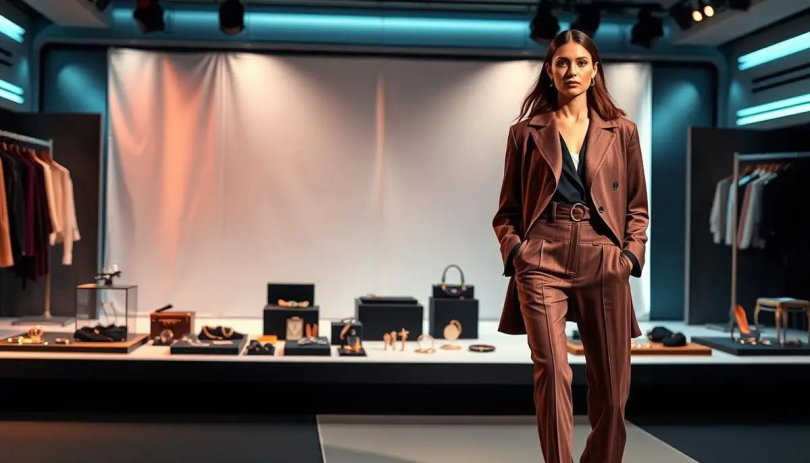
Designer fashion refers to clothing, footwear, handbags, accessories, and other fashion products created by professional fashion designers or luxury fashion houses. Unlike mass-produced apparel, designer pieces are carefully crafted using premium materials, expert tailoring, and distinctive designs. These products often reflect the creative vision of a designer while maintaining superior quality and attention to detail.
Designer fashion includes both luxury brands and emerging designers who focus on originality, craftsmanship, and innovation. Many collections are released seasonally, showcasing the latest trends while maintaining signature design elements. Although designer items often come with higher price tags, they usually provide better durability, improved comfort, and timeless appeal, making them valuable additions to a well-curated wardrobe.
Why is Designer Fashion Important?
Designer fashion plays a significant role in shaping global fashion trends and influencing how people express themselves through clothing. Every season, designers introduce new ideas that inspire both luxury collections and affordable fashion brands. Their creativity drives innovation in fabrics, colors, silhouettes, and styling techniques that eventually reach mainstream fashion markets.
Beyond style, designer fashion encourages quality over quantity. Investing in well-made clothing reduces the need for frequent replacements, making wardrobes more sustainable over time. Designer pieces also help individuals build confidence, express their personalities, and create polished looks suitable for professional, casual, and special occasions. Understanding designer fashion allows consumers to make informed purchasing decisions based on value rather than simply following trends.
Step-by-Step Guide to Understanding Designer Fashion
Learn the Basics of Fashion Categories
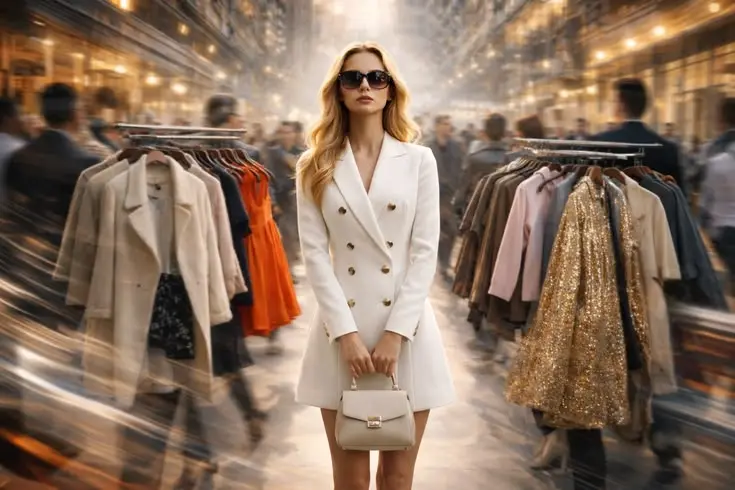
Before buying designer clothing, understand the different fashion categories. Haute couture consists of custom-made luxury garments created by skilled artisans. Ready-to-wear collections are produced in standard sizes and are more accessible. Contemporary designer brands offer premium quality at relatively affordable prices, while diffusion lines provide designer aesthetics at lower price points.
Understanding these categories helps you identify products that match your style preferences, lifestyle, and budget without unnecessary spending.
Identify Your Personal Style
Designer fashion works best when it reflects your personality instead of blindly following trends. Spend time identifying the colors, patterns, fabrics, and silhouettes that suit your body type and daily activities.
Creating a mood board, saving outfit inspiration, and evaluating your existing wardrobe can help define your signature style. Once you know your preferences, shopping becomes easier and more intentional.
Set a Realistic Budget
Luxury fashion offers products across various price ranges. Establishing a clear budget prevents impulsive purchases and helps prioritize quality essentials over unnecessary items.
Instead of buying several inexpensive trend pieces, consider investing in one versatile designer item that complements multiple outfits and remains fashionable for years.
Research Designer Brands
Every designer has a unique aesthetic and design philosophy. Some specialize in minimalist elegance, while others focus on bold prints, streetwear, or classic tailoring.
Reading brand histories, exploring collections, and comparing craftsmanship helps you find designers whose styles align with your fashion goals and personal taste.
Focus on Quality Materials
Premium fabrics significantly affect the appearance, comfort, and longevity of clothing. Look for natural fibers such as wool, cashmere, silk, linen, and high-quality cotton whenever possible.
Examine stitching, lining, buttons, zippers, and overall construction. Well-crafted garments maintain their shape better and provide long-lasting value despite higher initial costs.
Understand Fit and Tailoring
Even the most expensive designer clothing loses its appeal if it doesn’t fit properly. Choosing garments that complement your body shape creates a polished appearance and improves comfort.
Professional tailoring can transform an ordinary garment into a perfectly fitted outfit. Small adjustments often make a significant difference in overall style.
Build a Capsule Wardrobe
Instead of purchasing many trendy items, begin with timeless essentials that coordinate easily. Neutral blazers, quality jeans, tailored trousers, classic shirts, elegant dresses, leather shoes, and structured handbags form the foundation of a versatile designer wardrobe.
A capsule wardrobe simplifies outfit planning while maximizing the value of every purchase.
Shop During Seasonal Sales
Luxury retailers frequently offer discounts during seasonal sales, clearance events, and end-of-season promotions. Shopping strategically allows beginners to purchase authentic designer pieces at considerably lower prices.
Patience often results in better deals without compromising quality or authenticity.
Verify Authenticity
Counterfeit designer products have become increasingly common. Purchase from authorized retailers, official boutiques, or trusted resale platforms with authentication services.
Check labels, serial numbers, packaging, craftsmanship, stitching, and documentation before making expensive purchases.
Care for Designer Clothing Properly
Proper maintenance extends the life of designer garments and accessories. Follow washing instructions carefully, use appropriate storage methods, and invest in quality garment bags, shoe trees, and padded hangers.
Regular maintenance protects your investment while preserving appearance and functionality for years.
Benefits of Designer Fashion
- Superior craftsmanship and premium quality materials.
- Long-lasting durability compared to fast fashion.
- Timeless designs that remain stylish for years.
- Better fit and exceptional tailoring.
- Greater comfort through high-quality fabrics.
- Increased confidence and personal style.
- Strong resale value for many luxury brands.
- Sustainable long-term investment through durability.
- Unique designs that stand out from mass-produced clothing.
- Excellent attention to detail in every garment.
- Professional appearance for business and formal settings.
- Encourages mindful shopping habits.
Disadvantages and Risks
- High purchase prices.
- Risk of counterfeit products.
- Some trends become outdated quickly.
- Maintenance costs may be higher.
- Dry cleaning requirements for delicate fabrics.
- Limited availability of exclusive collections.
- Pressure to follow luxury trends.
- Risk of impulse buying.
- Certain designer items lose resale value.
- Size availability may be limited.
Common Mistakes to Avoid
One of the biggest mistakes beginners make is buying designer clothing solely because of a famous logo. Brand recognition alone should never determine your purchase. Instead, evaluate quality, craftsmanship, versatility, and how well the item fits your personal style. A timeless piece that complements your wardrobe offers greater value than an expensive trend that remains unworn.
Another common mistake is ignoring authenticity, proper fit, and long-term wardrobe planning. Purchasing from unreliable sellers increases the risk of receiving counterfeit products, while poor-fitting garments reduce both comfort and style. Many beginners also overspend on trendy pieces rather than investing in classic essentials. Building a balanced wardrobe gradually produces better results than making impulsive luxury purchases.
Frequently Asked Questions
Is designer fashion worth the investment?
Yes. High-quality designer fashion often provides excellent durability, timeless style, and better craftsmanship, making it a worthwhile long-term investment for many people.
Can beginners buy designer fashion on a budget?
Absolutely. Shopping during seasonal sales, outlet events, and trusted resale marketplaces makes designer fashion much more affordable without sacrificing quality.
How can I identify authentic designer products?
Purchase from official boutiques, authorized retailers, or reputable resale platforms that provide authentication. Carefully inspect labels, stitching, hardware, packaging, and serial numbers.
What should I buy first?
Start with timeless wardrobe essentials such as a tailored blazer, quality handbag, leather shoes, classic white shirt, or premium denim. These items work well with multiple outfits.
How should I care for designer clothing?
Always follow care labels, store garments properly, avoid excessive washing, use padded hangers, and choose professional cleaning for delicate fabrics whenever necessary.
Is designer fashion sustainable?
Designer fashion can be more sustainable because premium garments generally last much longer than fast-fashion alternatives. Investing in durable clothing reduces waste and encourages mindful consumption.
Can designer fashion be worn every day?
Yes. Many designer pieces are designed for daily wear. Classic shirts, trousers, handbags, shoes, and outerwear can easily become part of your everyday wardrobe.
Does expensive always mean better?
Not necessarily. While many designer products offer exceptional quality, consumers should always evaluate craftsmanship, materials, fit, and practicality instead of relying solely on price.
Expert Tips & Bonus Points
Building a designer wardrobe should be viewed as a gradual journey rather than a race. Focus on purchasing fewer but higher-quality pieces that coordinate well with your existing clothing. Prioritize timeless classics before experimenting with seasonal trends. Neutral colors and versatile designs offer the greatest flexibility while maximizing the value of every purchase.
Develop the habit of researching brands, comparing fabrics, and learning basic garment construction. Follow fashion trends for inspiration instead of feeling pressured to copy every new collection. Proper maintenance, thoughtful shopping, and confidence in your personal style will always have a greater impact than simply wearing expensive labels. True style comes from choosing clothing that fits well, feels comfortable, and reflects your individuality.
Conclusion
Designer fashion combines creativity, quality, craftsmanship, and personal expression into clothing that goes beyond temporary trends. While luxury fashion may appear intimidating to beginners, understanding its core principles makes it much more approachable. Learning about fabrics, tailoring, authenticity, styling, and smart shopping allows anyone to build a wardrobe filled with timeless, high-quality pieces that deliver lasting value. Rather than focusing only on brand names or luxury status, successful fashion enthusiasts appreciate the artistry and durability behind every well-made garment.
As you begin your journey into designer fashion, remember that building an impressive wardrobe takes time and thoughtful planning. Invest in versatile essentials, purchase from trusted sources, care for your clothing properly, and prioritize quality over quantity. By developing your personal style instead of chasing every trend, you can create a sophisticated wardrobe that remains fashionable for years. Designer fashion is ultimately about confidence, individuality, and making informed choices that enhance both your appearance and your long-term wardrobe investment.