
Introduction
Fashion changes throughout the year, and every season brings new colors, fabrics, patterns, and outfit inspirations. Understanding seasonal fashion trends helps you dress comfortably while staying stylish regardless of the weather. Whether it’s lightweight linen outfits during summer, cozy knitwear in winter, or layered looks in autumn, every season offers exciting opportunities to refresh your wardrobe without sacrificing comfort.
For beginners, keeping up with fashion trends can seem overwhelming because new collections, social media influencers, and designer releases constantly introduce fresh styles. However, following seasonal fashion trends doesn’t mean replacing your entire wardrobe every few months. Instead, it means learning how to combine timeless wardrobe essentials with trending pieces that reflect the current season. This balanced approach saves money while helping you create fashionable outfits throughout the year.
This comprehensive guide explains everything you need to know about seasonal fashion trends, including why they matter, how they change, how to build a versatile wardrobe, and practical styling tips for every season. You’ll also learn the benefits, potential drawbacks, common mistakes to avoid, frequently asked questions, and expert advice that makes dressing for every season easier and more enjoyable.
What is Seasonal Fashion Trends?
Seasonal fashion trends refer to clothing styles, colors, fabrics, accessories, and outfit combinations that become popular during specific times of the year. These trends are influenced by weather conditions, cultural events, runway collections, consumer preferences, and lifestyle changes. Designers release new collections several times a year, introducing fresh ideas that inspire retailers and consumers worldwide.
Rather than being random, seasonal fashion trends are carefully designed around functionality and comfort. Lightweight materials dominate spring and summer collections because they keep people cool, while heavier fabrics like wool and fleece become popular during autumn and winter. Seasonal trends also include changing color palettes, footwear choices, accessories, and layering techniques that suit each season while reflecting current fashion influences.
Why is Seasonal Fashion Trends Important?
Seasonal fashion trends help people dress appropriately for changing weather while expressing their personal style. Wearing suitable fabrics and clothing improves comfort, protects against different climate conditions, and boosts confidence in both casual and professional settings. Fashion also plays an important role in creating positive first impressions and reflecting personality.
Keeping up with seasonal fashion trends doesn’t require buying expensive designer clothing. Instead, it encourages smarter shopping, better wardrobe planning, and creative outfit styling. By understanding trends, you can mix classic pieces with modern elements, making your wardrobe look fresh without constantly spending money on entirely new outfits.
Step-by-Step Guide to Following Seasonal Fashion Trends
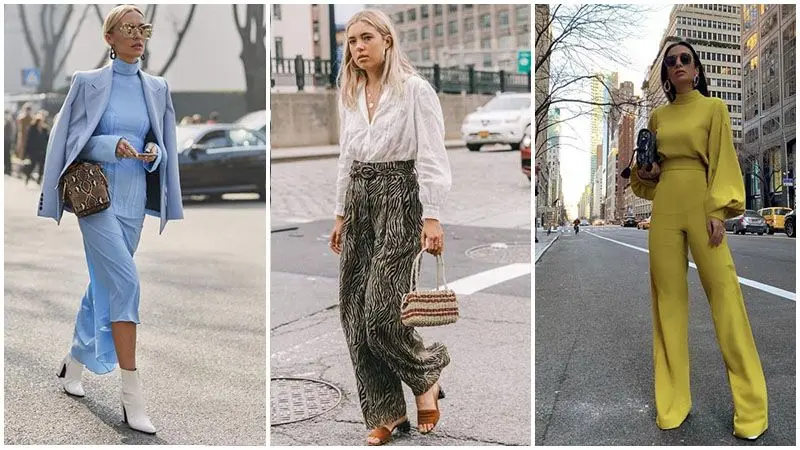
Understand Your Personal Style
Before following trends, identify your personal style preferences. Some people prefer minimalist outfits, while others enjoy bold colors and statement pieces. Understanding your style helps you choose trends that complement your personality rather than blindly following every new fashion movement.
Spend time evaluating your favorite outfits, preferred colors, and clothing silhouettes. This creates a strong fashion foundation that remains consistent throughout changing seasons.
Build a Wardrobe with Basics
Every stylish wardrobe begins with timeless essentials. Invest in quality basics like plain T-shirts, jeans, neutral trousers, white shirts, black dresses, denim jackets, and comfortable sneakers.
These classic items remain fashionable year after year and can easily be updated using seasonal accessories, jackets, shoes, and trending colors.
Learn the Fashion Seasons
Fashion generally follows four major seasons:
Spring
Spring focuses on floral prints, pastel shades, lightweight jackets, breathable cotton fabrics, and comfortable layering.
Summer
Summer emphasizes linen clothing, shorts, dresses, sandals, sunglasses, breathable fabrics, and vibrant colors.
Autumn
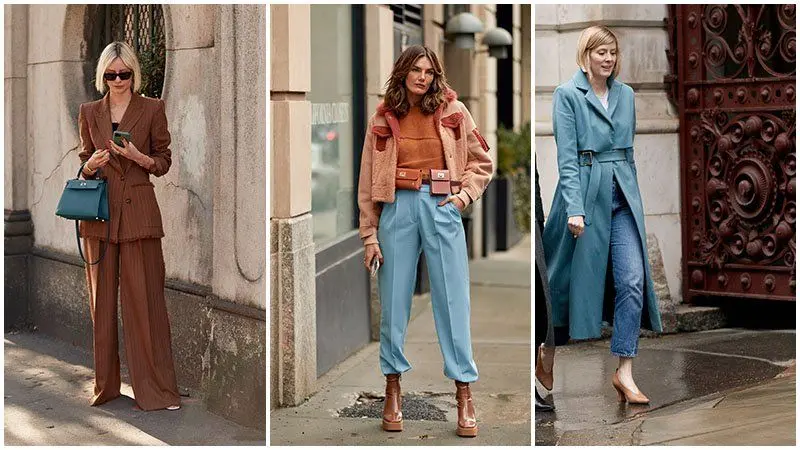
Autumn introduces earthy colors, layered outfits, boots, cardigans, leather jackets, and textured fabrics.
Winter
Winter highlights coats, knitwear, scarves, gloves, wool fabrics, boots, and darker color palettes.
Understanding these seasonal characteristics makes shopping much easier.
Follow Fashion Color Trends
Each season introduces popular colors that dominate fashion collections. While trends vary yearly, some colors consistently match certain seasons.
Spring often features lavender, mint green, blush pink, and sky blue.
Summer includes white, turquoise, coral, yellow, and bright blue.
Autumn favors olive green, rust orange, mustard yellow, burgundy, and chocolate brown.
Winter usually showcases black, navy, emerald green, charcoal gray, and deep red.
Choosing seasonal colors instantly refreshes your wardrobe.
Choose Appropriate Fabrics
Fabric selection affects both comfort and appearance.
During warmer months, breathable materials like cotton, linen, rayon, and bamboo keep your body cool.
During colder months, wool, cashmere, fleece, flannel, and thick knit fabrics provide warmth and insulation.
Selecting season-appropriate fabrics improves comfort while enhancing overall style.
Layer Clothing Effectively
Layering is one of the easiest ways to adapt seasonal fashion.
Begin with a lightweight base layer, add a shirt or sweater, then finish with a jacket or coat when necessary.
Layering also allows you to adjust to changing temperatures throughout the day while creating visually interesting outfits.
Update Accessories
Accessories transform basic outfits without requiring major wardrobe changes.
Spring accessories include lightweight scarves and colorful handbags.
Summer accessories include sunglasses, straw hats, sandals, and woven bags.
Autumn accessories feature leather belts, ankle boots, and structured handbags.
Winter accessories include gloves, knitted hats, scarves, and elegant coats.
Small accessory updates make outfits look modern and seasonal.
Invest in Seasonal Footwear
Shoes significantly influence overall appearance.
Sneakers remain versatile year-round.
Sandals dominate summer.
Loafers work well during spring and autumn.
Leather boots become essential in colder seasons.
Owning a few versatile footwear options provides maximum outfit flexibility.
Shop Smart Instead of Shopping More
Avoid buying every trendy item you see online.
Focus on versatile pieces that match your existing wardrobe.
Quality clothing usually lasts longer, fits better, and provides greater value than inexpensive fast-fashion items that quickly wear out.
Maintain Your Clothing Properly
Proper garment care extends clothing lifespan.
Follow washing instructions.
Store winter clothing carefully during warmer months.
Use garment bags for delicate fabrics.
Repair minor damage before it becomes worse.
Well-maintained clothing always looks more stylish.
Benefits of Seasonal Fashion Trends
Following seasonal fashion trends offers numerous advantages for both style and practicality.
- Helps you dress appropriately for changing weather.
- Improves personal confidence.
- Creates a polished appearance.
- Encourages creative outfit combinations.
- Keeps your wardrobe fresh.
- Promotes smarter shopping habits.
- Helps maximize existing clothing.
- Supports personal self-expression.
- Makes outfit planning easier.
- Improves professional appearance.
- Enhances social confidence.
- Encourages experimenting with colors.
- Keeps clothing functional and comfortable.
- Reduces wardrobe boredom.
- Inspires better organization.
Disadvantages / Risks
While seasonal fashion trends provide many benefits, there are also challenges to consider.
- Constantly changing trends can become expensive.
- Fast fashion contributes to environmental waste.
- Social pressure may encourage unnecessary shopping.
- Trendy items sometimes become outdated quickly.
- Poor-quality clothing wears out faster.
- Following every trend may reduce personal style.
- Overspending can strain your budget.
- Trend-focused shopping may create wardrobe clutter.
- Some trends prioritize appearance over comfort.
- Seasonal sales can encourage impulse purchases.
Common Mistakes to Avoid
One of the biggest mistakes beginners make is buying clothing simply because it is trending. Not every trend suits every body type, lifestyle, or personality. Focus on choosing styles that make you feel comfortable and confident rather than copying every fashion influencer.
Another common mistake is ignoring wardrobe basics. Trendy jackets, shoes, and accessories work best when paired with timeless essentials. Avoid purchasing poor-quality clothing solely because it is inexpensive, and always consider fabric quality, fit, versatility, and durability before making a purchase. Planning your wardrobe before shopping prevents unnecessary spending and helps create more coordinated outfits throughout every season.
FAQs
1. How often do seasonal fashion trends change?
Fashion trends typically change four times a year alongside spring, summer, autumn, and winter collections. However, timeless wardrobe basics remain fashionable regardless of seasonal changes.
2. Do I need to buy new clothes every season?
No. Most people can refresh their wardrobe by adding a few seasonal pieces while continuing to wear quality basics they already own. This approach is more affordable and sustainable.
3. What are wardrobe essentials for every season?
Essential items include plain T-shirts, quality jeans, neutral trousers, white shirts, comfortable sneakers, denim jackets, versatile dresses, simple sweaters, and classic outerwear.
4. How can beginners follow fashion trends on a budget?
Shop during seasonal sales, buy versatile clothing, invest in quality basics, accessorize existing outfits, and avoid purchasing every new trend.
5. Why are fabrics important in seasonal fashion?
Different fabrics provide different levels of comfort and temperature control. Lightweight fabrics work best in warm weather, while heavier materials keep you warm during colder seasons.
6. Are seasonal fashion trends suitable for every age?
Yes. Seasonal fashion trends can be adapted for all ages by selecting styles that match individual preferences, body types, and lifestyles rather than following every trend exactly.
Expert Tips & Bonus Points
Fashion experts recommend building a capsule wardrobe before experimenting with trends. A collection of versatile basics allows you to create dozens of outfits using fewer clothing items. Adding only a few seasonal pieces each year keeps your wardrobe current while preventing unnecessary spending.
Another valuable strategy is prioritizing fit over fashion. Even the trendiest clothing looks unattractive if it doesn’t fit properly. Tailoring affordable garments often creates a more polished appearance than purchasing expensive designer items that fit poorly. Finally, focus on confidence because personal style always looks best when you feel comfortable wearing it.
Conclusion
Seasonal fashion trends are more than changing colors and clothing styles they help people dress appropriately, comfortably, and confidently throughout the year. Understanding how seasons influence fabrics, colors, accessories, and layering techniques allows anyone to create stylish outfits without constantly replacing an entire wardrobe. For beginners, the key is balancing timeless essentials with carefully selected seasonal pieces that complement personal style rather than chasing every passing trend.
Building a fashionable wardrobe takes time, thoughtful planning, and smart shopping decisions. Investing in quality basics, choosing versatile clothing, caring for garments properly, and updating outfits with seasonal accessories can keep your style fresh while staying within your budget. Fashion should always reflect your personality, support your lifestyle, and make you feel comfortable in every season. By applying the tips, strategies, and expert advice shared in this guide, you’ll be well-equipped to embrace seasonal fashion trends confidently and develop a wardrobe that remains stylish, practical, and timeless all year long.