
Introduction
Luxury decor is more than filling a home with expensive furniture or decorative accessories. It is about creating a space that feels elegant, comfortable, functional, and timeless. A well-designed luxury interior reflects personality while maintaining a sophisticated balance between beauty and practicality. Whether you live in a large house, a modern apartment, or a cozy condo, luxury decor can transform any living space into a refined environment that promotes relaxation and style.
Many beginners assume luxury decorating requires an unlimited budget, but true luxury comes from thoughtful design choices rather than price alone. High-quality materials, harmonious color palettes, proper lighting, carefully selected furniture, and attention to detail all contribute to an upscale appearance. Every element should work together to create an inviting atmosphere that feels polished without appearing overcrowded.
This comprehensive guide explains everything beginners need to know about luxury decor. You’ll learn what luxury decor really means, why it matters, how to design each room step by step, the benefits and challenges of luxury styling, common decorating mistakes, frequently asked questions, and professional decorating tips. By the end of this guide, you’ll have the confidence to create a luxurious home that looks elegant, feels comfortable, and remains stylish for years to come.
What is Luxury Decor?
Luxury decor refers to an interior design style focused on elegance, quality, comfort, and timeless beauty. Rather than emphasizing trends, luxury interiors prioritize exceptional craftsmanship, premium materials, sophisticated color schemes, and carefully chosen furnishings. Every decorative element is selected with intention to create a cohesive and visually pleasing environment.
Unlike overly extravagant interiors, modern luxury decor values simplicity, balance, and refined details. Soft textures, natural stone, premium wood, quality fabrics, statement lighting, custom furniture, decorative artwork, and layered accessories work together to produce a sophisticated atmosphere. Luxury decor creates spaces that not only impress visually but also enhance everyday living through comfort and functionality.
Why is Luxury Decor Important?
Luxury decor improves more than the appearance of a home. A thoughtfully designed interior creates an environment that supports relaxation, productivity, and emotional well-being. Living in a beautiful space often encourages better organization, cleaner habits, and greater appreciation for the home environment.
In addition, luxury decor can significantly increase a property’s perceived value. Buyers and guests naturally notice elegant finishes, coordinated furnishings, premium lighting, and quality materials. Investing in timeless luxury elements also reduces the need for frequent redesigns, making it a practical long-term investment for homeowners.
Step-by-Step Guide to Creating Luxury Decor
Step 1: Define Your Luxury Style
Before purchasing furniture or decorations, determine the style you want your home to reflect. Luxury interiors may be modern, contemporary, classic, minimalist, transitional, or traditional. Choosing one primary design direction creates consistency throughout your home.
Collect inspiration from magazines, design websites, and professionally designed interiors. Save images that consistently appeal to you and identify recurring colors, furniture styles, textures, and decorative elements.
Step 2: Choose a Sophisticated Color Palette
Color establishes the mood of every room. Luxury homes often feature neutral tones because they create a timeless and elegant appearance. Shades such as ivory, cream, beige, taupe, warm gray, charcoal, soft white, and muted earth tones provide a refined foundation.
Accent colors should complement rather than overpower the room. Rich navy, emerald green, deep burgundy, matte black, and metallic gold or brass accents add sophistication without overwhelming the design.
Step 3: Invest in High-Quality Furniture
Furniture serves as the foundation of luxury interiors. Instead of purchasing numerous inexpensive items, prioritize fewer high-quality pieces with durable construction and timeless designs.
Comfort should never be sacrificed for appearance. Sofas, dining chairs, beds, and lounge furniture should provide excellent support while maintaining elegant proportions and premium upholstery.
Step 4: Focus on Premium Materials
Material selection significantly influences how luxurious a room feels. Natural materials typically create richer visual depth and better durability than synthetic alternatives.
Popular luxury materials include marble, granite, quartz, hardwood, walnut, oak, velvet, linen, leather, brushed brass, glass, crystal, ceramic, and natural stone. Combining complementary materials creates texture and visual interest.
Step 5: Layer Lighting Properly
Lighting is one of the most overlooked elements of luxury decorating. A beautifully designed room can appear dull without proper lighting.
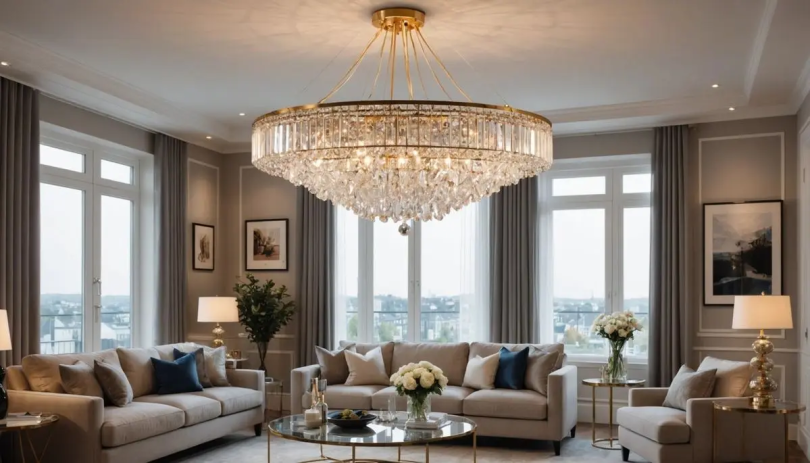
Combine ambient lighting, task lighting, accent lighting, wall sconces, chandeliers, pendant lights, floor lamps, and table lamps to create multiple lighting layers. Warm lighting generally produces a more welcoming atmosphere than cool lighting.
Step 6: Add Elegant Textures
Luxury interiors feel rich because they combine multiple textures throughout the room.
Soft rugs, velvet cushions, woven throws, linen curtains, leather seating, polished stone surfaces, wooden furniture, and decorative ceramics add depth without creating clutter.
Step 7: Decorate with Statement Pieces
Rather than filling every surface with decorations, choose several impactful statement pieces.
Large artwork, oversized mirrors, sculptural lighting, designer coffee tables, decorative vases, or elegant fireplaces naturally become focal points while maintaining visual balance.
Step 8: Incorporate Natural Elements
Luxury homes often include natural materials that introduce warmth and freshness.
Indoor plants, fresh flowers, wooden furniture, stone countertops, natural woven baskets, and organic textures soften modern interiors while improving visual harmony.
Step 9: Keep Spaces Organized
Clutter instantly reduces the luxurious appearance of any room.
Invest in attractive storage solutions, built-in cabinets, decorative baskets, concealed shelving, and multifunctional furniture to maintain clean surfaces and organized living spaces.
Step 10: Finish with Thoughtful Accessories
Accessories complete the design but should never dominate it.
Choose decorative books, elegant trays, candles, sculptures, premium cushions, tasteful artwork, and carefully selected ornaments that complement your chosen color palette and overall design theme.
Benefits of Luxury Decor
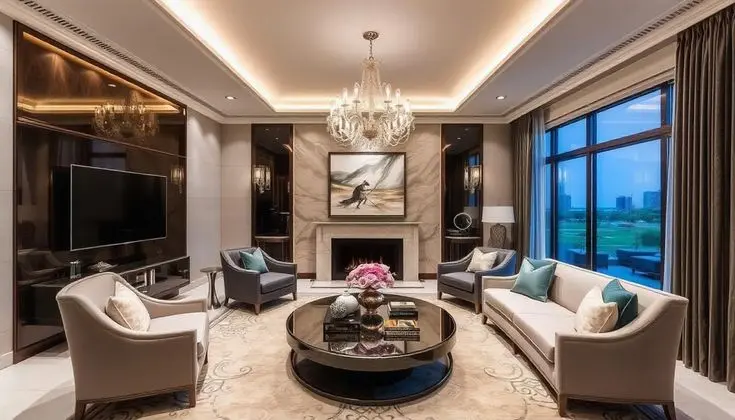
Luxury decor offers numerous long-term advantages for homeowners.
- Creates a sophisticated and welcoming atmosphere.
- Enhances comfort and everyday living.
- Improves home organization.
- Increases perceived property value.
- Reflects personal style and personality.
- Uses durable, long-lasting materials.
- Reduces frequent redecorating costs.
- Improves lighting and functionality.
- Creates relaxing environments.
- Impresses guests and visitors.
- Encourages cleaner living habits.
- Supports better space planning.
- Makes rooms appear larger and brighter.
- Adds timeless elegance.
- Promotes emotional well-being through beautiful surroundings.
Disadvantages / Risks
While luxury decor has many advantages, there are some potential challenges.
- Premium materials may require higher initial investment.
- Quality furniture often costs more than mass-produced alternatives.
- Some natural materials require regular maintenance.
- Luxury finishes can show scratches if not properly cared for.
- Following short-term design trends may become expensive.
- Overdecorating can reduce elegance.
- Imported furniture may involve longer delivery times.
- Professional installation may be needed for certain features.
- High-end fabrics require proper cleaning.
- Poor planning can lead to inconsistent room designs.
Common Mistakes to Avoid
Many beginners mistakenly believe that expensive furniture alone creates a luxurious home. In reality, luxury depends on balance, proportion, and thoughtful design. Purchasing oversized furniture for small rooms often makes spaces feel crowded rather than elegant. Ignoring lighting, using too many colors, or mixing unrelated design styles can also reduce visual harmony.
Another common mistake is decorating every available surface. Luxury interiors embrace simplicity by allowing quality pieces to stand out. Choosing low-quality accessories, neglecting storage, purchasing trendy items without considering longevity, or ignoring room functionality often results in cluttered interiors that lose their sophisticated appearance over time.
Frequently Asked Questions
Is luxury decor only for expensive homes?
No. Luxury decor focuses on thoughtful design, quality materials, and elegant styling rather than home size. Small apartments can look just as luxurious as large houses when properly designed.
What colors work best for luxury interiors?
Neutral colors including white, cream, beige, gray, taupe, charcoal, and soft earth tones create timeless luxury. Rich accent colors such as navy, emerald green, black, and gold enhance sophistication.
Does luxury decor require a large budget?
Not necessarily. Prioritizing fewer high-quality pieces instead of many inexpensive items allows homeowners to gradually create luxurious interiors without overspending.
Which materials make a home look luxurious?
Natural stone, marble, hardwood, leather, velvet, linen, brass, crystal, glass, premium ceramics, and quality wood finishes are commonly associated with luxury interiors.
How important is lighting in luxury decor?
Lighting is one of the most important elements. Proper layering of chandeliers, pendant lights, table lamps, wall sconces, and accent lighting creates warmth, depth, and visual elegance.
Can modern and classic luxury styles be combined?
Yes. Transitional interiors successfully combine modern simplicity with classic elegance, creating balanced spaces that remain stylish for many years.
How can I make a small room feel luxurious?
Use neutral colors, quality furniture, mirrors, layered lighting, minimal decorations, elegant fabrics, and organized storage to maximize space while maintaining sophistication.
Should every room have the same design style?
Maintaining a consistent design language throughout the home creates visual harmony. Individual rooms can have unique personalities while still sharing similar colors, materials, and decorative themes.
Expert Tips & Bonus Points
Professional interior designers emphasize quality over quantity. One beautifully crafted coffee table often creates a stronger impression than several inexpensive decorative items. Investing in timeless furniture ensures your home remains elegant despite changing design trends.
Layer textures instead of colors whenever possible. Combining velvet, linen, leather, wood, marble, and glass creates visual richness without overwhelming the room. Custom window treatments, oversized artwork, fresh flowers, signature fragrances, premium bedding, hidden storage, and consistent hardware finishes elevate interiors beyond ordinary decorating. Finally, regularly decluttering and maintaining furniture preserves the luxurious appearance of your home for many years.
Conclusion
Luxury decor is not defined by excessive spending or extravagant decorations. Instead, it is the result of intentional design decisions that combine quality, comfort, functionality, and timeless elegance. Every successful luxury interior begins with a clear vision, balanced color palette, carefully selected furniture, premium materials, layered lighting, and thoughtful decorative accents. By focusing on craftsmanship instead of quantity, homeowners can create inviting spaces that remain beautiful regardless of changing design trends.
For beginners, achieving a luxurious home does not require completing every room at once. Start by upgrading essential furniture, improving lighting, selecting high-quality fabrics, organizing your spaces, and investing in timeless decorative pieces. As your home evolves, each carefully chosen addition will contribute to a more refined and cohesive environment. Remember that true luxury lies in attention to detail, lasting quality, and creating a home that feels both elegant and comfortable. With patience, thoughtful planning, and consistent design choices, anyone can transform their living space into a sophisticated retreat that offers beauty, relaxation, and lasting value.