
Introduction
High-end interiors represent more than expensive furniture and premium décor. They combine timeless design, exceptional craftsmanship, premium materials, and thoughtful planning to create elegant living spaces that are both beautiful and functional. Luxury interior design focuses on quality rather than quantity, ensuring that every detail contributes to a sophisticated atmosphere. Whether designing a new home or upgrading an existing space, understanding the principles of high-end interiors helps homeowners make smarter design decisions that increase comfort, style, and long-term value.
Modern luxury interiors have evolved significantly over the years. Today’s designs emphasize clean layouts, natural materials, customized furnishings, advanced technology, and sustainable solutions instead of excessive decoration. Every room is carefully planned to achieve harmony, comfort, and visual balance while reflecting the homeowner’s personal style. From premium flooring and designer lighting to custom cabinetry and elegant color palettes, every element works together to create a refined environment.
This beginner-friendly guide explains everything you need to know about high-end interiors. You’ll learn what defines luxury interior design, why it matters, how to create elegant spaces step by step, common mistakes to avoid, expert recommendations, and practical tips that help you achieve a luxurious home regardless of your budget. By the end of this guide, you’ll have a solid understanding of how professional designers transform ordinary spaces into extraordinary living environments.
What is High-End Interiors?
High-end interiors refer to luxury interior spaces designed using premium materials, custom craftsmanship, elegant layouts, sophisticated color schemes, and carefully selected furnishings. Unlike standard interior design, luxury interiors prioritize exceptional quality, personalized details, and timeless aesthetics that remain attractive for many years.
Luxury interiors are not defined solely by expensive products. Instead, they focus on thoughtful planning, functionality, comfort, durability, and refined visual appeal. Designers carefully select every component, including flooring, lighting, furniture, fabrics, wall finishes, artwork, and accessories to create a cohesive environment that feels both luxurious and welcoming.
Why is High-End Interiors Important?
High-end interior design significantly improves both the appearance and functionality of a home. A well-designed luxury space creates an enjoyable living experience while increasing property value and making everyday activities more comfortable. Quality materials last longer, require less maintenance, and maintain their appearance for many years, making them a smart long-term investment.
Luxury interiors also improve emotional well-being by creating organized, peaceful, and visually pleasing environments. Thoughtfully designed spaces reduce stress, maximize natural light, improve comfort, and provide a better balance between beauty and practicality. Whether for personal enjoyment or future resale, investing in high-end interiors offers lasting value.
Step-by-Step Guide to Creating High-End Interiors
Define Your Vision
Begin by identifying your preferred design style. Decide whether you prefer modern luxury, contemporary elegance, classic sophistication, minimalist design, transitional interiors, or timeless European-inspired spaces.
Create inspiration boards using design magazines and online platforms. Collect images that reflect your preferred furniture, colors, textures, lighting, and decorative elements before making purchasing decisions.
Establish a Realistic Budget
Luxury design requires careful financial planning. Divide your budget into categories including flooring, furniture, lighting, wall finishes, custom cabinetry, artwork, décor, window treatments, and professional services.
Allocate more money to permanent features that significantly impact quality and durability while allowing flexibility for decorative accessories.
Create a Functional Floor Plan
A beautiful room must also function efficiently. Consider how each space will be used, ensuring comfortable furniture placement, smooth traffic flow, and balanced proportions.
Avoid overcrowding rooms with unnecessary furniture. Spacious layouts often appear more luxurious than heavily decorated spaces.
Select a Sophisticated Color Palette
Luxury interiors commonly feature neutral tones such as white, beige, cream, gray, taupe, soft black, and warm earth colors.
Accent colors can be introduced through artwork, cushions, decorative accessories, rugs, or statement furniture while maintaining visual harmony throughout the home.
Invest in High-Quality Materials
Premium materials instantly elevate interior spaces. Popular luxury materials include natural stone, hardwood flooring, marble, granite, quartz, premium ceramics, brass, solid wood, leather, linen, velvet, and natural wool.
Quality materials provide superior durability while creating a rich visual experience that synthetic alternatives often cannot match.
Choose Elegant Furniture
Luxury furniture focuses on craftsmanship rather than quantity. Invest in well-built sofas, dining tables, beds, cabinetry, and accent chairs that offer both comfort and timeless appeal.
Custom-made furniture often fits spaces better while reflecting individual preferences and maximizing functionality.
Layer Different Textures
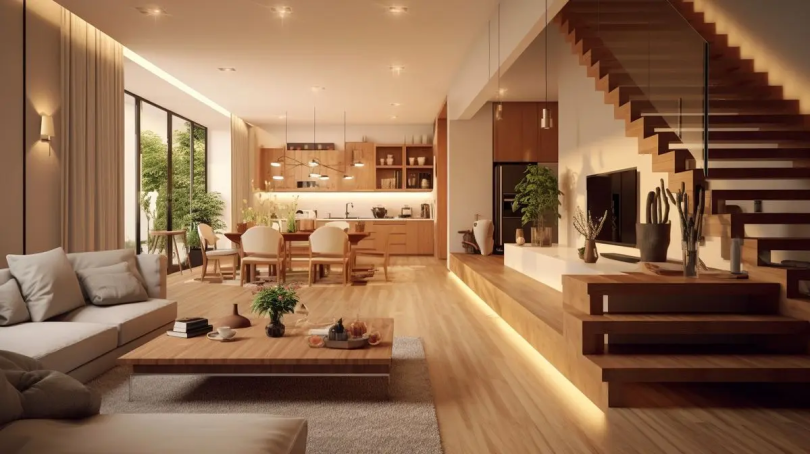
Combining various textures creates visual depth and sophistication. Pair smooth marble surfaces with soft fabrics, natural wood, glass, polished metals, woven textiles, and plush rugs.
Texture layering prevents interiors from feeling flat while adding warmth and character.
Install Premium Lighting
Lighting dramatically affects interior atmosphere. Combine ambient lighting, task lighting, accent lighting, chandeliers, wall sconces, pendant lights, recessed lighting, and decorative fixtures to create multiple lighting layers.
Dimmable lighting systems allow homeowners to adjust brightness according to different occasions.
Incorporate Custom Storage
Luxury interiors remain organized through well-designed storage solutions. Built-in cabinetry, walk-in closets, concealed shelving, custom wardrobes, and multifunctional furniture help eliminate clutter while maximizing available space.
Organized interiors naturally appear more elegant and spacious.
Add Statement Pieces
Every luxury interior benefits from one or two eye-catching focal points such as oversized artwork, designer chandeliers, sculptural furniture, fireplaces, feature walls, or unique architectural details.
Statement pieces create personality without overwhelming the room.
Decorate with Purpose
Decorative accessories should enhance the overall design rather than dominate it. Carefully select mirrors, artwork, sculptures, books, decorative bowls, candles, vases, and indoor plants that complement the room’s style.
Minimal yet meaningful decoration often creates the strongest impression.
Integrate Smart Home Technology
Modern luxury homes increasingly incorporate smart lighting, climate control, automated blinds, security systems, voice assistants, and entertainment systems.
Technology improves convenience while maintaining clean and uncluttered aesthetics.
Focus on Fine Details
Luxury is often found in small details including premium hardware, elegant door handles, custom trim, seamless finishes, concealed wiring, perfectly aligned furniture, and quality craftsmanship.
Attention to detail separates high-end interiors from ordinary designs.
Benefits of High-End Interiors
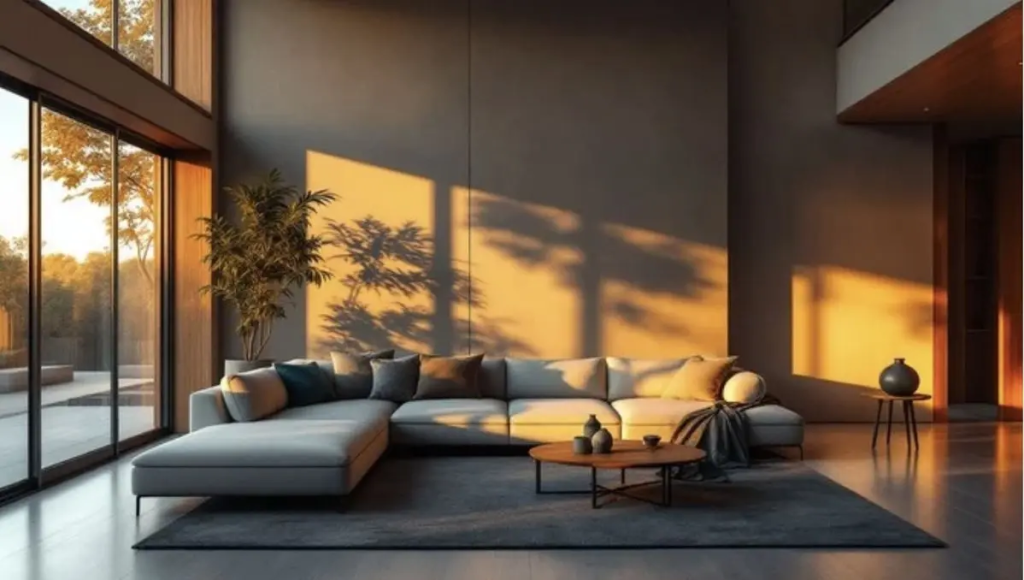
High-end interiors provide numerous advantages for homeowners, including:
- Increased property value
- Timeless visual appeal
- Superior craftsmanship
- Higher-quality materials
- Greater comfort
- Better organization
- Improved functionality
- Enhanced natural lighting
- Longer-lasting furniture
- Reduced maintenance costs
- Better energy efficiency
- Personalized living spaces
- Increased home resale appeal
- Better indoor atmosphere
- Strong first impressions
- Improved lifestyle quality
- Durable flooring and finishes
- Elegant entertaining spaces
- Greater design flexibility
- Long-term investment value
Disadvantages / Risks
While luxury interiors offer many benefits, there are several challenges to consider:
- Higher initial investment
- Longer project timelines
- Premium materials may have longer delivery periods
- Custom furniture requires additional manufacturing time
- Professional designers increase project costs
- Luxury materials often require specialized maintenance
- Trend-focused designs may become outdated
- Renovation projects can temporarily disrupt daily life
- Poor planning may exceed budgets
- Imported materials may have limited availability
Common Mistakes to Avoid
One of the biggest mistakes beginners make is purchasing expensive furniture before planning the overall layout. Every design decision should support the room’s functionality and maintain visual balance.
Another common error is mixing too many colors, textures, or design styles within one space. Luxury interiors rely on consistency, simplicity, and thoughtful coordination rather than excessive decoration. Avoid overcrowding rooms with unnecessary accessories, choosing low-quality materials to save money, ignoring lighting design, forgetting storage solutions, or following short-lived trends that quickly lose their appeal.
FAQs
1. What makes an interior look high-end?
Luxury interiors combine premium materials, balanced layouts, elegant lighting, custom details, sophisticated color palettes, and high-quality furniture that work together to create a refined atmosphere.
2. Are high-end interiors only for large homes?
No. Small apartments and compact homes can also achieve luxurious interiors through smart layouts, quality materials, custom storage, excellent lighting, and carefully selected furniture.
3. Which colors work best for luxury interiors?
Neutral colors such as white, cream, beige, gray, taupe, charcoal, and soft earth tones create timeless luxury while allowing decorative accents to stand out.
4. Is custom furniture necessary?
Custom furniture is not mandatory but often improves functionality, space utilization, and overall design quality because it fits specific room dimensions and personal preferences.
5. How important is lighting in luxury design?
Lighting is one of the most important elements. Layered lighting creates mood, highlights architectural details, improves comfort, and enhances the appearance of furniture and décor.
6. Can luxury interiors be environmentally friendly?
Yes. Many modern luxury homes use sustainable wood, recycled materials, energy-efficient lighting, smart technology, natural fabrics, and environmentally responsible construction methods without compromising elegance.
Expert Tips & Bonus Points
Professional interior designers recommend investing first in permanent architectural elements such as flooring, cabinetry, countertops, doors, and lighting because these features have the greatest long-term impact. Furniture and decorative accessories can always be updated later without major renovations.
Focus on quality instead of quantity. Choose fewer but better pieces that offer timeless beauty and durability. Use natural materials whenever possible, maintain consistent color palettes throughout the home, prioritize comfort alongside aesthetics, and regularly update decorative accents to keep interiors feeling fresh without requiring complete redesigns.
Conclusion
High-end interiors are about creating beautiful, functional, and timeless living spaces through thoughtful planning, premium materials, exceptional craftsmanship, and attention to detail. Luxury design is not simply about spending more money; it is about making intelligent choices that improve comfort, increase property value, and provide lasting satisfaction. Every element, from furniture and lighting to flooring and decorative accessories, contributes to an environment that feels elegant, welcoming, and uniquely personal.
Beginners can successfully create luxurious interiors by starting with a clear vision, establishing a realistic budget, selecting quality materials, investing in timeless furniture, and focusing on balanced design rather than temporary trends. Careful planning ensures that each room reflects both beauty and functionality while remaining practical for everyday living.
As luxury interior design continues to evolve, modern homeowners increasingly value sustainability, smart technology, personalized spaces, and long-lasting quality. By applying the principles outlined in this guide, you can confidently design interiors that combine sophistication with everyday comfort. Whether renovating a single room or designing an entire home, thoughtful decisions and quality craftsmanship will always remain the foundation of truly high-end interiors.