
Introduction
Luxury home design is much more than choosing expensive furniture or decorating a house with premium materials. It is about creating a living space that combines elegance, comfort, functionality, and personal style. A luxurious home reflects the homeowner’s personality while offering exceptional quality, thoughtful layouts, and beautiful aesthetics. Whether you are building a new house, renovating an existing property, or simply looking for inspiration, understanding the fundamentals of luxury home design helps you make better decisions and avoid costly mistakes.
Modern luxury homes focus on both beauty and practicality. Spacious interiors, natural lighting, high-quality finishes, energy-efficient technologies, and smart home features all contribute to a sophisticated living experience. Today’s homeowners also value sustainability, wellness, and flexible spaces that support everyday life while maintaining an upscale appearance.
For beginners, luxury home design may seem overwhelming because there are countless design styles, materials, and architectural options to consider. However, with proper planning and a clear understanding of the essential principles, anyone can create a home that feels luxurious without wasting money on unnecessary features.
What is Luxury Home Design?
Luxury home design is the process of planning, building, decorating, and furnishing a residence using premium materials, exceptional craftsmanship, functional layouts, and sophisticated design elements. It focuses on delivering comfort, elegance, durability, and personalized living experiences rather than simply increasing the home’s price.
Unlike ordinary home design, luxury design emphasizes every detail, including architectural features, lighting, flooring, custom furniture, landscaping, technology integration, and interior finishes. Every element works together to create a seamless balance between style and functionality.
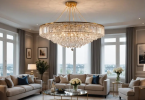
Luxury homes often feature spacious open floor plans, large windows, natural light, custom cabinetry, designer kitchens, spa-inspired bathrooms, smart home automation, premium flooring, outdoor entertainment areas, and carefully selected decorative pieces. While luxury traditionally meant extravagance, modern luxury is more about quality, simplicity, comfort, and timeless design.
Why is Luxury Home Design Important?
A thoughtfully designed luxury home improves everyday living by creating spaces that are comfortable, efficient, visually appealing, and personalized to the homeowner’s needs. Every room is designed with purpose, ensuring beauty never compromises functionality.
Luxury home design also increases property value, enhances long-term durability, reduces maintenance through high-quality materials, and creates an inviting atmosphere for family members and guests. Investing in quality design today often leads to greater satisfaction, improved resale value, and lower renovation costs in the future.
Step-by-Step Guide to Luxury Home Design
Step 1: Define Your Lifestyle and Goals
Before selecting furniture or finishes, determine how your family lives. Think about daily routines, entertainment needs, work-from-home requirements, children’s activities, and future plans.
Creating a list of priorities helps establish a clear direction for your project. Instead of copying trends, focus on features that genuinely improve your lifestyle and add lasting value to your home.
Step 2: Set a Realistic Budget
Luxury design does not always require unlimited spending. A well-planned budget helps you invest in high-impact areas while avoiding unnecessary expenses.
Allocate separate budgets for construction, interior design, furniture, lighting, landscaping, technology, appliances, and unexpected costs. Always reserve additional funds for unforeseen changes during the project.
Step 3: Choose the Right Architectural Style
Your home’s architectural style sets the foundation for every design decision. Popular luxury styles include modern, contemporary, minimalist, Mediterranean, farmhouse, colonial, Scandinavian, and traditional designs.
Select a style that matches your preferences, climate, neighborhood, and long-term lifestyle instead of following temporary design trends.
Step 4: Plan an Efficient Floor Layout
Luxury homes prioritize open spaces that encourage natural movement and maximize functionality. Large living rooms, connected kitchens, dining areas, spacious bedrooms, home offices, entertainment rooms, and outdoor living spaces improve both comfort and convenience.
A well-planned layout also improves privacy by separating public and private areas within the home.
Step 5: Maximize Natural Light
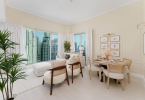
Natural light makes every room appear larger, brighter, and more inviting. Large windows, sliding glass doors, skylights, and open layouts allow sunlight to flow throughout the home.
Proper window placement also improves energy efficiency by reducing dependence on artificial lighting during the day.
Step 6: Invest in Premium Materials
High-quality materials create a luxurious appearance while offering better durability and lower maintenance over time.
Popular luxury materials include natural stone, hardwood flooring, quartz countertops, marble surfaces, premium tiles, solid wood cabinetry, tempered glass, brushed metal fixtures, and custom finishes.
Step 7: Design an Elegant Kitchen
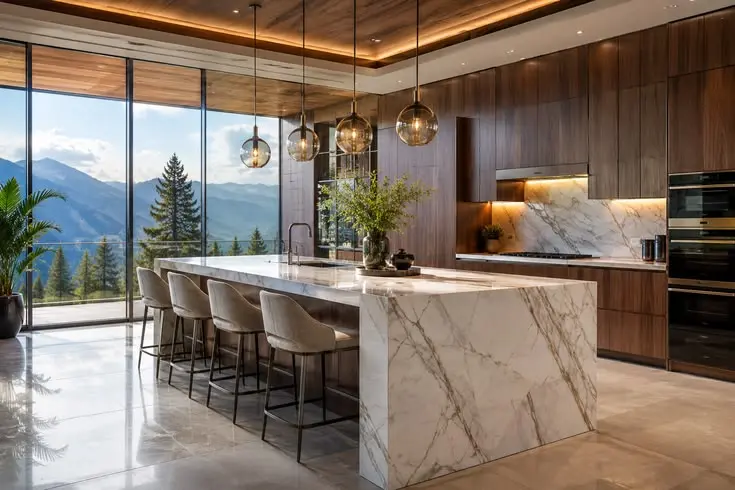
The kitchen serves as one of the most valuable spaces in any luxury home. Focus on functionality without sacrificing aesthetics.
Include spacious islands, premium appliances, custom cabinets, hidden storage, durable countertops, under-cabinet lighting, and modern hardware that complement the overall design.
Step 8: Create Spa-Inspired Bathrooms
Luxury bathrooms provide relaxation and comfort through thoughtful design. Large walk-in showers, soaking tubs, floating vanities, heated flooring, quality fixtures, and elegant lighting elevate the experience.
Neutral color palettes combined with natural stone and premium finishes create a timeless atmosphere.
Step 9: Select Sophisticated Furniture
Luxury furniture combines comfort, craftsmanship, and timeless beauty. Instead of filling rooms with excessive furniture, choose fewer high-quality pieces that complement the space.
Custom furniture often provides better functionality while maintaining a unique and personalized appearance.
Step 10: Layer Lighting Effectively
Lighting dramatically influences the mood of every room. Combine ambient, task, accent, and decorative lighting to create balance throughout the home.
Pendant lights, chandeliers, recessed lighting, wall sconces, and floor lamps should work together to highlight architectural features and improve functionality.
Step 11: Incorporate Smart Home Technology
Modern luxury homes increasingly include smart systems that improve convenience and efficiency.
Smart lighting, automated blinds, security cameras, climate control, voice assistants, entertainment systems, and energy management solutions enhance everyday living while increasing property value.
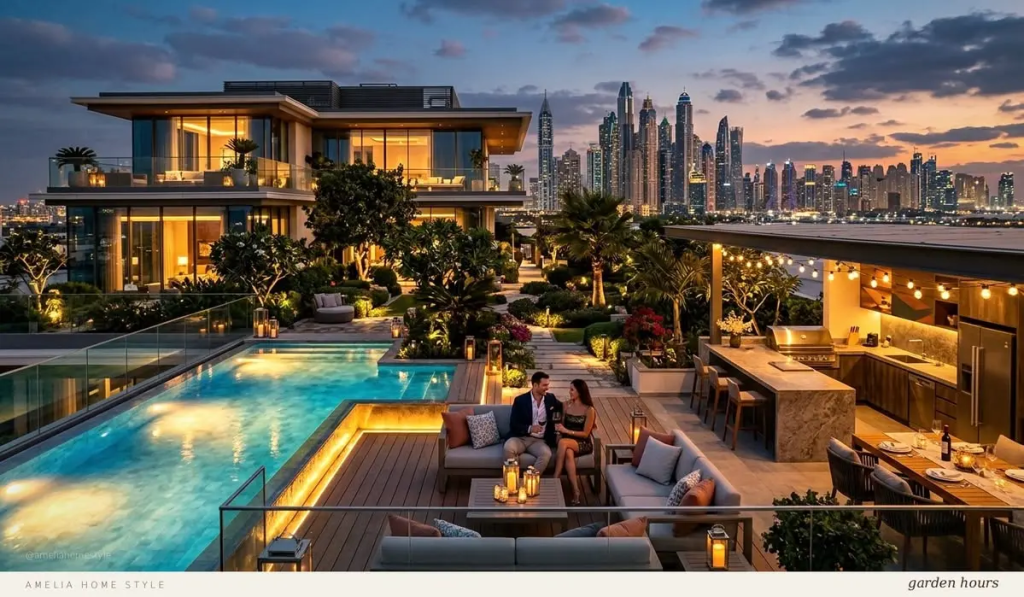
Step 12: Focus on Outdoor Living Spaces
Luxury extends beyond interior spaces. Beautiful outdoor areas create additional living and entertainment opportunities.
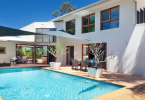
Consider landscaped gardens, outdoor kitchens, fire pits, swimming pools, covered patios, pergolas, comfortable seating areas, and elegant lighting to complete your luxury home.
Step 13: Choose a Timeless Color Palette
Neutral colors remain the foundation of luxury interiors because they create elegance without overwhelming the space.
Soft whites, warm grays, beige tones, earthy colors, charcoal accents, and natural wood finishes provide versatility while allowing decorative accessories to stand out.
Step 14: Add Personalized Decorative Elements
Luxury homes reflect the personalities of their owners rather than looking like hotel showrooms.
Display artwork, family photographs, sculptures, decorative lighting, books, indoor plants, designer rugs, and custom accessories that create warmth while maintaining sophistication.
Step 15: Prioritize Sustainability
Luxury and sustainability now work together. Eco-friendly building materials, energy-efficient windows, solar panels, rainwater harvesting, LED lighting, and efficient insulation reduce environmental impact while lowering operating costs.
Sustainable luxury homes provide long-term value and healthier living environments.
Benefits of Luxury Home Design
Luxury home design offers numerous long-term advantages for homeowners.
- Increases property value.
- Creates a sophisticated and elegant appearance.
- Improves daily comfort.
- Enhances functionality.
- Maximizes natural lighting.
- Supports healthier indoor living.
- Reduces maintenance costs with quality materials.
- Improves energy efficiency.
- Provides customized living spaces.
- Enhances entertainment areas.
- Integrates modern technology.
- Offers timeless visual appeal.
- Increases resale potential.
- Creates better organization.
- Improves overall quality of life.
Disadvantages and Risks
Luxury home design also comes with certain challenges that homeowners should understand before beginning their projects.
- Higher construction costs.
- Premium materials require larger investments.
- Longer planning and construction timelines.
- Skilled labor may be more expensive.
- Poor planning can lead to unnecessary spending.
- Trend-driven designs may become outdated.
- Large homes often have higher maintenance expenses.
- Luxury technology requires regular updates.
- Imported materials may increase project delays.
- Custom furniture often requires longer manufacturing times.
Common Mistakes to Avoid
Many beginners believe luxury simply means spending more money. In reality, poor planning and excessive decoration often reduce both functionality and elegance. Focus on quality instead of quantity, and ensure every design decision serves a practical purpose.
Avoid overcrowding rooms with furniture, mixing too many design styles, ignoring lighting, selecting low-quality materials, neglecting storage, overlooking maintenance costs, and following short-term trends. Always plan your layout carefully before purchasing expensive finishes or furniture, and work with experienced professionals whenever necessary.
FAQs
1. What makes a home luxurious?
Luxury comes from exceptional design, premium materials, spacious layouts, quality craftsmanship, comfort, personalization, and attention to detail rather than simply having a high price tag.
2. Is luxury home design only for large houses?
No. Small homes can also achieve a luxurious appearance through intelligent layouts, quality materials, elegant lighting, custom storage, and thoughtful interior design.
3. Which colors work best in luxury interiors?
Neutral shades such as white, beige, cream, gray, taupe, and soft earth tones create timeless elegance. Accent colors can be introduced through artwork, furniture, and decorative accessories.
4. How important is lighting in luxury home design?
Lighting is one of the most important elements because it influences mood, highlights architectural features, improves functionality, and enhances the beauty of every room.
5. Can luxury homes be environmentally friendly?
Yes. Modern luxury homes often include sustainable materials, solar energy, efficient insulation, water-saving fixtures, smart climate control, and energy-efficient appliances.
6. Should I hire an interior designer?
Hiring an experienced designer helps avoid costly mistakes, improves space planning, ensures design consistency, and often saves money by making better purchasing decisions.
7. How can I create a luxury look on a limited budget?
Invest in high-impact areas such as flooring, lighting, kitchens, bathrooms, and quality furniture. Keep the design simple, choose timeless materials, and avoid unnecessary decorative items.
8. How long does designing a luxury home usually take?
The timeline depends on the project’s size and complexity. A complete luxury home may require several months for planning, construction, interior design, and finishing touches.
Expert Tips & Bonus Points
Successful luxury home design begins with careful planning rather than expensive shopping. Invest first in architecture, layout, lighting, and structural quality because these elements are difficult to change later. Decorative accessories can always be updated over time.
Choose timeless designs instead of short-lived trends, maintain consistency throughout the home, prioritize comfort alongside beauty, and purchase fewer but higher-quality furnishings. Include ample storage, integrate smart technology carefully, select durable materials that age gracefully, and always leave room for future lifestyle changes. Working with qualified architects, interior designers, and contractors ensures your investment delivers lasting value and exceptional results.
Conclusion
Luxury home design is about creating a residence that combines elegance, comfort, quality, and functionality into a seamless living experience. It is not defined by excessive spending or extravagant decoration but by thoughtful planning, premium craftsmanship, intelligent layouts, and personalized details that improve everyday life. A well-designed luxury home should reflect your lifestyle while remaining practical, welcoming, and timeless.
By understanding the principles covered in this guide, beginners can confidently approach their luxury home projects with realistic expectations and informed decisions. From selecting the right architectural style and premium materials to designing functional spaces, maximizing natural light, integrating smart technology, and avoiding common mistakes, every decision contributes to a more refined and valuable home.
Remember that true luxury is achieved through balance rather than excess. Investing in quality construction, durable materials, efficient layouts, and timeless design choices creates a home that remains beautiful for decades. Whether your project involves building a dream home from the ground up or renovating your current property, thoughtful planning and attention to detail will ensure your investment provides lasting comfort, elegance, and satisfaction for years to come.