
Introduction
Starting your makeup journey can feel overwhelming. With countless beauty products available on the market, it’s easy to become confused about what you actually need. Many beginners spend money on unnecessary items while overlooking the true essentials that create a flawless and natural look. Understanding the right makeup must haves helps you build a practical collection without wasting time or money.
A well-organized makeup kit doesn’t have to contain hundreds of products. Instead, it should include versatile, high-quality essentials that work together to create everyday, professional, or glamorous looks. Whether you’re getting ready for work, college, a special event, or simply experimenting with beauty, having the right products makes makeup application easier and more enjoyable.
This comprehensive guide covers everything beginners need to know about makeup must haves. You’ll learn what products are truly essential, why each item matters, how to apply makeup step by step, common mistakes to avoid, expert recommendations, and frequently asked questions. By the end of this guide, you’ll have the confidence to build your own makeup collection and create beautiful looks with ease. Whether your goal is achieving a natural everyday appearance or mastering more advanced techniques in the future, these makeup essentials will provide the perfect foundation for your beauty journey.
What are Makeup Must Haves?
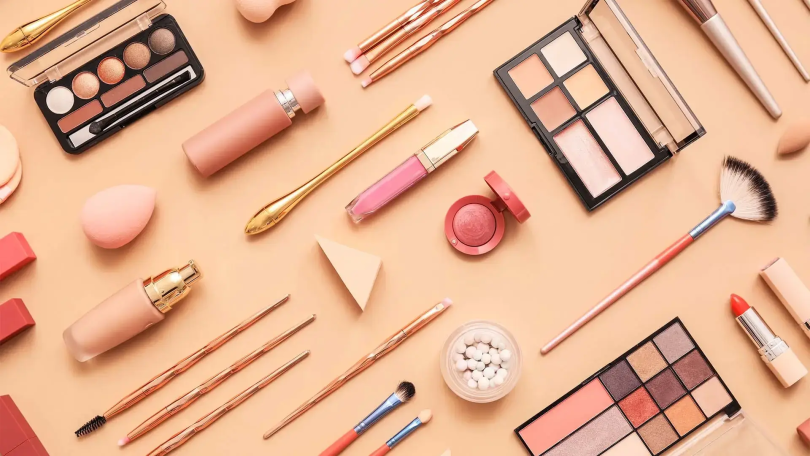
Makeup must haves are the essential beauty products every beginner should own to create a complete makeup look. These products serve as the foundation of any makeup routine and allow users to enhance their natural features without purchasing unnecessary cosmetics. A basic makeup kit usually includes primer, foundation or skin tint, concealer, setting powder, blush, bronzer, mascara, eyebrow products, eyeshadow, eyeliner, lipstick, lip balm, and setting spray.
These essentials are carefully selected because they perform specific functions that improve both the appearance and longevity of makeup. Foundation evens skin tone, concealer hides imperfections, blush adds healthy color, mascara enhances eyelashes, and lipstick completes the overall look. Together, they create a polished appearance suitable for everyday wear.
Building a beginner-friendly makeup collection focuses on quality over quantity. Instead of buying dozens of trendy products, investing in versatile essentials allows users to create multiple makeup styles while learning proper application techniques. As confidence grows, additional products can gradually be added to expand creativity and achieve more advanced makeup looks.
Why are Makeup Must Haves Important?
Owning the right makeup essentials makes getting ready much easier and more efficient. Rather than searching through countless products or feeling uncertain about what to use, a carefully selected makeup kit simplifies the entire beauty routine. Beginners especially benefit from having only the necessary products because it reduces confusion and helps develop proper makeup skills step by step.
Essential makeup products also save money over time. Many people purchase trendy cosmetics that are rarely used, resulting in wasted spending. A practical collection focuses on versatile products suitable for different occasions, ensuring every item serves a useful purpose. This approach helps maximize value while minimizing clutter.
Another important benefit is consistency. Using the same core products regularly allows users to understand how each item performs on their skin, making application faster and more predictable. Whether preparing for work, school, weddings, or social events, having reliable makeup essentials provides confidence and creates polished results every time.
Step-by-Step Guide to Building Your Makeup Must Haves
Step 1: Start with Skincare
Healthy skin creates the perfect canvas for makeup. Begin by cleansing your face, applying moisturizer, and using sunscreen during the daytime. Hydrated skin helps makeup blend smoothly and prevents patchiness throughout the day.
Allow skincare products to absorb fully before applying makeup. This improves product performance and extends wear time.
Step 2: Apply Primer
Primer prepares the skin for foundation by minimizing pores, smoothing texture, and improving makeup longevity. Different primers are available for oily, dry, combination, and mature skin types.
Apply a small amount across the face, concentrating on areas where makeup usually fades or pores appear larger.
Step 3: Use Foundation or Skin Tint
Foundation creates an even complexion by reducing redness, discoloration, and uneven skin tone. Beginners often prefer lightweight foundations or skin tints because they provide natural coverage and are easier to blend.
Always choose a shade that closely matches your neck rather than your hand for the most natural finish.
Step 4: Conceal Imperfections
Concealer brightens under-eye circles while hiding blemishes, acne marks, and pigmentation. Apply small dots only where needed to avoid a heavy appearance.
Blend using a damp beauty sponge or concealer brush until the edges disappear naturally into the foundation.
Step 5: Set with Powder
Setting powder locks foundation and concealer into place while reducing unwanted shine. Those with oily skin may apply powder throughout the face, while dry skin users should focus mainly on the T-zone.
Use a fluffy brush for a soft finish rather than applying excessive powder.
Step 6: Add Warmth with Bronzer
Bronzer restores warmth that foundation may remove from the complexion. Apply lightly around the forehead, temples, cheekbones, and jawline for a naturally sun-kissed appearance.
Blending is essential to prevent harsh lines and maintain a seamless finish.
Step 7: Apply Blush
Blush adds freshness and youthful color to the cheeks. Soft pinks, peaches, and coral shades work well for most beginners.
Smile gently and apply blush to the apples of the cheeks, blending upward toward the temples.
Step 8: Define Eyebrows
Eyebrows frame the face and create balance. Fill sparse areas using an eyebrow pencil or powder with light, hair-like strokes.
Avoid drawing thick, solid lines. Natural-looking brows always appear more flattering.
Step 9: Enhance the Eyes
Neutral eyeshadow shades such as beige, brown, and taupe are perfect for beginners. Apply a light shade over the lid and a medium shade into the crease for subtle depth.
Finish with eyeliner if desired, followed by mascara to lengthen and define the lashes.
Step 10: Complete with Lip Products
Lip balm keeps lips hydrated before applying lipstick. Choose nude, pink, or soft berry shades for everyday wear.
Lip liner may also be used to define the lips and prevent lipstick from feathering.
Step 11: Finish with Setting Spray
Setting spray helps melt all makeup layers together while increasing wear time.
Hold the bottle several inches away from the face and spray evenly without soaking the skin.
Benefits of Makeup Must Haves
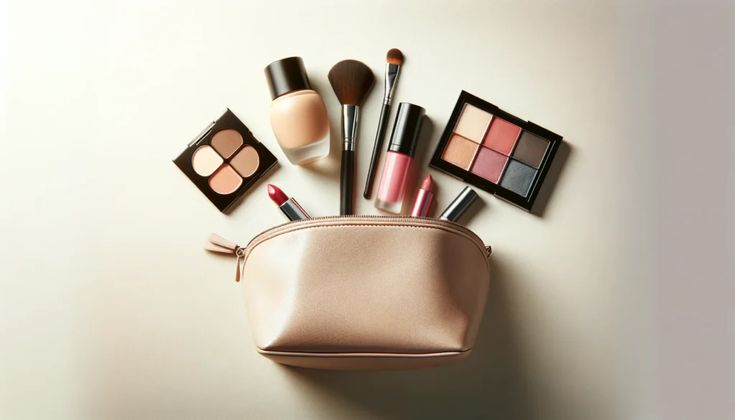
Having the right makeup essentials offers numerous advantages for beginners and experienced users alike.
- Creates a complete everyday makeup routine.
- Saves money by avoiding unnecessary purchases.
- Simplifies makeup application.
- Improves confidence and self-expression.
- Enhances natural beauty.
- Suitable for work, school, and special occasions.
- Allows multiple makeup styles with fewer products.
- Makes learning makeup techniques easier.
- Reduces clutter in your beauty collection.
- Provides professional-looking results at home.
- Saves time during daily routines.
- Helps makeup last longer with the correct products.
Disadvantages and Risks
Although makeup offers many benefits, improper use or product selection may create certain challenges.
- Buying too many unnecessary products.
- Choosing incorrect foundation shades.
- Allergic reactions to certain ingredients.
- Product expiration causing skin irritation.
- Poor hygiene leading to acne or infections.
- Heavy makeup clogging pores.
- Overspending on luxury brands.
- Sharing makeup products can spread bacteria.
- Incorrect storage reducing product quality.
- Applying excessive makeup resulting in an unnatural appearance.
Common Mistakes to Avoid
One of the biggest mistakes beginners make is purchasing every trending beauty product instead of focusing on essential items. A simple makeup kit with versatile products is far more practical than owning dozens of cosmetics that are rarely used. Learning to master basic techniques before experimenting with advanced products leads to better results.
Another common mistake is skipping skincare and primer. Makeup performs best on clean, moisturized skin. Choosing the wrong foundation shade, neglecting to blend products properly, using dirty brushes, applying too much powder, forgetting sunscreen, and wearing expired cosmetics are additional errors that can negatively affect both appearance and skin health. Regular cleaning of makeup tools and replacing old products helps maintain healthy skin while ensuring smoother application.
Frequently Asked Questions
1. What makeup products should every beginner buy first?
Every beginner should start with cleanser, moisturizer, primer, foundation or skin tint, concealer, powder, blush, mascara, eyebrow pencil, neutral eyeshadow palette, lipstick, lip balm, makeup brushes, beauty sponge, and setting spray. These products create a complete makeup routine suitable for everyday use.
2. How many makeup products do beginners actually need?
Most beginners only need around 10 to 15 essential products. A smaller collection encourages learning proper techniques without becoming overwhelmed by unnecessary options.
3. How do I choose the correct foundation shade?
Always test foundation along your jawline or neck in natural daylight. The correct shade should blend seamlessly into your skin without creating noticeable contrast.
4. Are expensive makeup products better?
Not necessarily. Many affordable brands offer excellent quality that performs similarly to luxury cosmetics. Beginners should prioritize product performance, skin compatibility, and reviews rather than price alone.
5. How often should makeup brushes be cleaned?
Brushes used for liquid products should be cleaned at least once every week. Brushes for powders can typically be washed every one to two weeks. Regular cleaning prevents bacteria buildup and improves makeup application.
6. How long do makeup products usually last?
Most mascaras should be replaced every three months. Liquid foundations generally last about one year after opening, while powders and eyeshadows often remain usable for two years when stored properly. Always check expiration symbols on product packaging.
7. Is primer necessary for everyday makeup?
Primer is not mandatory, but it significantly improves makeup longevity, smoothness, and overall finish. People with oily skin or large pores often notice the greatest benefits.
8. Can I wear makeup every day?
Yes, provided you remove makeup thoroughly each night, maintain a consistent skincare routine, clean your tools regularly, and use products suitable for your skin type.
Expert Tips and Bonus Points
Professional makeup artists recommend investing in high-quality tools before purchasing expensive cosmetics. Good brushes and beauty sponges dramatically improve blending and create smoother finishes even when using affordable makeup products. Proper application techniques often matter more than luxury brands.
Natural lighting provides the most accurate view when applying makeup, helping prevent uneven foundation or excessive contour. Building your collection gradually allows you to understand each product before adding more. Keep makeup organized, check expiration dates regularly, sanitize brushes frequently, and always remove makeup before sleeping. Learning basic color theory can also help you choose flattering shades for your skin tone, making every product in your makeup collection work more effectively.
Conclusion
Building the perfect makeup collection doesn’t require purchasing every beauty product available. Instead, focusing on the essential makeup must haves allows beginners to develop confidence, improve their skills, and create beautiful looks for any occasion. A carefully selected kit containing foundation, concealer, powder, blush, mascara, eyebrow products, eyeshadow, lipstick, and quality tools provides everything needed to achieve polished results while avoiding unnecessary spending.
As you gain experience, you’ll discover which products work best for your skin type, preference, and lifestyle. Makeup should enhance your natural beauty rather than hide it, making proper application techniques just as important as the products themselves. Consistent skincare, clean tools, and choosing shades that complement your complexion all contribute to healthier skin and better makeup results.
Remember that every makeup artist started as a beginner. Practice regularly, experiment with different techniques, and don’t be discouraged by small mistakes. With patience and the right makeup essentials, you’ll build both confidence and skill over time. By investing wisely in versatile, high-quality products and maintaining good beauty habits, you’ll enjoy a makeup routine that is simple, effective, and perfectly suited to your everyday needs.