
Introduction
Finding the best beauty products can feel overwhelming, especially with thousands of skincare, makeup, and personal care products available online and in stores. Every brand promises brighter skin, stronger hair, flawless makeup, and long-lasting results, making it difficult to know which products truly deserve a place in your daily routine. For beginners, choosing the right beauty essentials often becomes confusing because different skin types, ingredients, and product formulas all play an important role in achieving the desired results.
The good news is that building an effective beauty routine doesn’t require buying expensive luxury products or following every social media trend. Instead, it starts with understanding your skin, learning which ingredients work best for your concerns, and selecting high-quality products that match your needs. Whether your goal is healthy skin, natural makeup, hydrated lips, stronger hair, or anti-aging care, using the right beauty products consistently can make a significant difference over time.
This comprehensive guide covers everything beginners need to know about the best beauty products. You’ll learn what beauty products are, why they matter, how to choose them step by step, the benefits and potential drawbacks, common mistakes to avoid, expert recommendations, and answers to frequently asked questions. By the end of this guide, you’ll have the confidence to build a simple yet effective beauty routine that helps you look and feel your best every day.
What is Best Beauty Products?
Beauty products are skincare, makeup, haircare, body care, and personal grooming items designed to improve appearance while maintaining the health of your skin, hair, and body. They include cleansers, moisturizers, sunscreens, serums, shampoos, conditioners, foundations, lipsticks, face masks, body lotions, and many other essentials used in everyday beauty routines.
The best beauty products are those that suit your skin type, lifestyle, age, and personal beauty goals rather than simply being the most expensive or most popular. A product that works perfectly for one person may not deliver the same results for another. Choosing products based on quality ingredients, safety, and compatibility with your skin ensures healthier and longer-lasting results.
Why is Best Beauty Products Important?
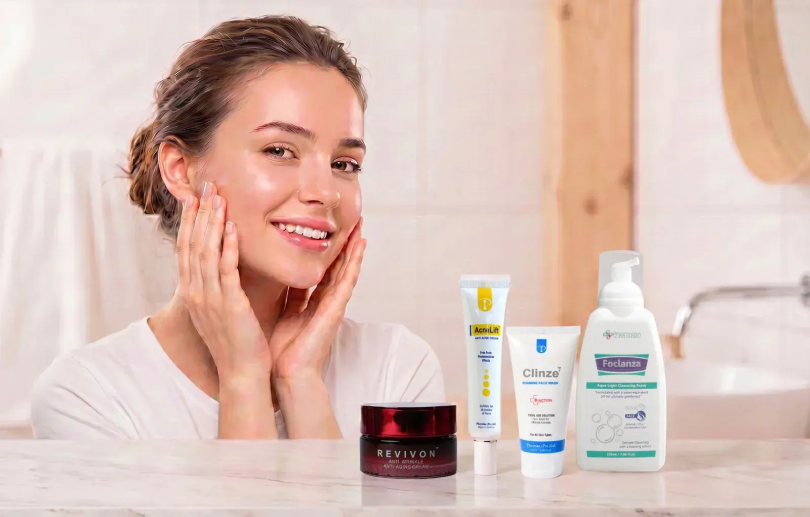
Using the right beauty products helps maintain healthy skin, protects against environmental damage, improves confidence, and enhances your natural appearance. Proper skincare products remove dirt, excess oil, and impurities while keeping the skin hydrated and balanced. Makeup products can highlight your best features without harming your skin when used correctly.
High-quality beauty products also reduce the risk of irritation, acne breakouts, dryness, and premature aging. Instead of constantly changing products, selecting reliable beauty essentials creates a consistent routine that supports healthier skin and better long-term results. Investing in suitable products often saves money because effective products reduce unnecessary purchases and skincare problems.
Detailed Step-by-Step Guide
Step 1: Understand Your Skin Type
Before purchasing any beauty product, determine whether your skin is oily, dry, combination, normal, or sensitive. Your skin type affects how products perform and which ingredients will work best.
People with oily skin usually benefit from lightweight, oil-free products. Dry skin requires rich moisturizers with hydrating ingredients, while sensitive skin responds better to fragrance-free and gentle formulations.
Step 2: Identify Your Beauty Goals
Think about what you want to achieve before buying products. Your goals may include brighter skin, acne control, anti-aging, hydration, reducing dark spots, improving makeup application, or strengthening your hair.
Having clear goals helps you avoid unnecessary purchases and focus only on products that address your specific concerns.
Step 3: Build a Basic Skincare Routine
Every beginner should start with a simple skincare routine consisting of a cleanser, moisturizer, and sunscreen.
A gentle cleanser removes dirt and excess oil without damaging the skin barrier. Moisturizer keeps the skin hydrated, while sunscreen protects against harmful UV rays that cause premature aging and pigmentation.
Step 4: Add Treatment Products Gradually
After establishing a basic routine, introduce treatment products such as serums, exfoliants, or face masks one at a time.
Adding products slowly allows you to monitor how your skin reacts and prevents irritation caused by combining multiple active ingredients simultaneously.
Step 5: Learn About Ingredients
Understanding ingredients helps you make smarter purchasing decisions.
Hyaluronic acid provides deep hydration. Niacinamide helps reduce redness and control oil. Vitamin C brightens dull skin and fades dark spots. Retinol improves fine lines and skin texture, while salicylic acid treats acne-prone skin.
Step 6: Perform a Patch Test
Always patch test a new product before applying it to your entire face or body.
Apply a small amount behind your ear or on your inner arm and wait 24 to 48 hours. If no irritation develops, the product is generally safe for regular use.
Step 7: Choose Makeup That Matches Your Skin
Select makeup according to your skin tone and skin type.
Lightweight foundations work well for oily skin, while hydrating formulas suit dry skin. Always remove makeup before sleeping to prevent clogged pores and breakouts.
Step 8: Follow a Haircare Routine
Healthy hair complements healthy skin.
Use a shampoo suitable for your scalp type, apply conditioner regularly, and use hair masks weekly for extra nourishment. Heat protectant products help reduce damage caused by styling tools.
Step 9: Maintain Body Care
Beauty extends beyond facial skincare.
Use body lotion daily to maintain hydration, exfoliate once or twice weekly, apply sunscreen on exposed areas, and care for your hands, feet, and lips throughout the year.
Step 10: Stay Consistent
Even the best beauty products require consistent use.
Most skincare improvements become noticeable after several weeks of regular application. Avoid switching products too frequently because this can interrupt your progress.
Benefits of Best Beauty Products
The right beauty products provide numerous advantages for beginners and experienced users alike.
- Promote healthier, glowing skin.
- Improve skin hydration.
- Protect against sun damage.
- Reduce acne and blemishes.
- Brighten dull complexion.
- Improve skin texture.
- Support anti-aging goals.
- Strengthen the skin barrier.
- Enhance natural beauty.
- Boost self-confidence.
- Create smoother makeup application.
- Nourish hair and scalp.
- Improve lip health.
- Keep the body moisturized.
- Reduce signs of environmental damage.
- Help maintain long-term skin health.
Disadvantages / Risks
Although beauty products offer many benefits, improper use may cause problems.
- Allergic reactions.
- Skin irritation.
- Acne breakouts from unsuitable products.
- Dryness caused by over-exfoliation.
- Sun sensitivity from certain ingredients.
- Wasting money on unnecessary products.
- Using counterfeit beauty products.
- Mixing incompatible ingredients.
- Excessive fragrance causing irritation.
- Unrealistic expectations from marketing claims.
Common Mistakes to Avoid
One of the biggest mistakes beginners make is buying products simply because they are trending online. Popularity does not guarantee compatibility with your skin type. Always choose products based on your personal needs instead of social media recommendations.
Another common mistake is skipping sunscreen. Many people invest in expensive serums and moisturizers but forget daily sun protection, which is essential for preventing premature aging and pigmentation. Overusing exfoliating acids, sleeping with makeup on, changing products too frequently, ignoring ingredient labels, and failing to patch test new products are additional mistakes that can negatively affect your skin. Consistency and patience always produce better results than using too many products at once.
FAQs
1. What beauty products should beginners start with?
Beginners should begin with a gentle cleanser, moisturizer, sunscreen, lip balm, shampoo, conditioner, and a few basic makeup essentials if desired. This simple routine covers the most important aspects of daily skincare and personal care.
2. How do I know which beauty products are right for my skin?
Identify your skin type first and then choose products formulated specifically for oily, dry, combination, normal, or sensitive skin. Reading ingredient lists and performing patch tests also helps prevent irritation.
3. Are expensive beauty products always better?
No. Many affordable beauty products contain high-quality ingredients and perform as well as premium brands. The effectiveness of a product depends more on its formulation than its price.
4. How long should I use a product before expecting results?
Hydration products often show results within a few days, while treatments for acne, pigmentation, and fine lines usually require four to twelve weeks of consistent use.
5. Can I use multiple skincare products together?
Yes, but introduce products gradually. Using too many active ingredients simultaneously may cause irritation. A simple routine is often more effective than a complicated one.
6. Why is sunscreen considered the most important beauty product?
Sunscreen protects the skin from harmful ultraviolet rays that cause premature aging, dark spots, wrinkles, and even skin cancer. Daily sunscreen use helps preserve the results of every other skincare product in your routine.
Expert Tips & Bonus Points
Professional skincare experts recommend focusing on product quality instead of quantity. A simple routine followed consistently often delivers better results than a cabinet full of unused products. Always cleanse your face before bedtime, stay hydrated, maintain a healthy diet, and get enough sleep because lifestyle choices directly affect your skin’s appearance.
When purchasing beauty products, carefully read ingredient labels instead of relying solely on advertising claims. Store products according to the manufacturer’s recommendations and avoid using expired cosmetics. Clean makeup brushes regularly to reduce bacteria buildup and prevent breakouts. Finally, remember that healthy skin is the foundation of every successful beauty routine, so prioritize skincare before investing heavily in makeup.
Conclusion
Choosing the best beauty products doesn’t have to be complicated. By understanding your skin type, identifying your personal beauty goals, and selecting products with effective ingredients, you can create a routine that delivers noticeable and lasting improvements. Rather than following every trend, focus on products that support healthy skin, nourish your hair, and protect your body from daily environmental damage. A consistent routine built around quality essentials is far more effective than constantly switching between new products.
Beauty is not about achieving perfection but about maintaining healthy skin and feeling confident in your own appearance. Start with the basics, introduce new products gradually, and pay attention to how your skin responds over time. With patience, proper care, and informed purchasing decisions, you’ll avoid common mistakes and enjoy the full benefits of your beauty routine. Whether you’re building your first skincare collection or upgrading your current routine, the right beauty products can help you achieve healthier, brighter, and more radiant results that last for years.